Sunday, February 17, 2019

Market Mavens or Opinion Leader?


Welcome to week 6, everyone! We've just had our first consumer marketing exam, so how are you feeling about it? Did you do as well as you hoped you would? 

This week, we're delving into reference groups and the various ways that they can affect your purchasing patterns. Included within these groups can be individuals called 'Market Mavens,' which is a concept that we're really focusing on today!


Being a society so focused on social media and the postings of others, it's safe to say that almost everyone has a market maven in their feed, posting about the latest products, offering their opinions, and keeping everyone up-to-date in their designated areas.

But what exactly is a Market Maven? Our textbook defines them as individuals that "provide significant amount of information to others across a wide array of products...services, and store types." These are individuals that are extremely knowledgeable about a wide variety of market products and offers this knowledge and advice to others.

Image result for market maven
People often associate Market Mavens as people who have vast connections and social links
However, market mavens are often confused with their similar counterparts, opinion leaders. These equally connected are more specific in their chosen field, oftentimes focusing on a few select genres or types of products. The textbook even states that market mavens are almost like a type of opinion leader,a sub segment, if you would.

When I first began to read this chapter, I immediately recognized a person I follow on Twitter as a market maven. Ray Navarez Jr., a popular Twitch streamer and Youtube personality, has a twitter page that he dedicates a lot to the proliferation of video game merchandise. He posts about upcoming games, popular hoodies and gaming figures. Not only that, in selling a lot of his merchandise through a popular website called "FramRate Merch," he is able to answer questions and concerns about orders and upcoming products to potential consumers. Here is an example of him keeping his customers updated about packaging of sold framerate merchandise:

https://twitter.com/RayNarvaezJr/status/1095543977288306688

However, as I sit down to write this blog, I realize, "Wait. Ray Navarez isn't a market maven. He's technically an opinion leader, isn't he?" Looking closer, I realized that he really only focuses on a select few categories: video games and video game merchandise. He is a connected person, but not so much that he has information about other markets of products. In all honesty, this blog post was going to be about him and the examples of how he's a market maven, that is, until I realized that I was incorrect.


Image result for ray narvaez jr and charlie
Ray and his dog, Charlie

Take this as an example of how easy it can be to mistake the two. Looking back, I could see how I made this mistake; the two can be very similar. Ray Navarez is very good at creating buzz (exponential expansion of word of mouth information) for products among his fan base. His continual posts about upcoming products and his personal reviews of what is worth buying contribute heavily to the market that follows him and gives him a rather good impression among gamers. 

Like I said, it can sometimes be difficult to differentiate market mavens and opinion leaders, but you should notice a few key differences between the two. Market mavens will:


  • Have large groups of connections and social links
  • Have posts pertaining to many different markets and products
  • Be very receptive to questions and opinions of others, engaging in conversations about products and services


So when you're trying to discern the two, remember to try and identity these aspects. Hopefully you won't make the same mistake as me.

Let me know in the comments if you follow any market mavens or opinion leaders!


Monday, February 4, 2019

Consumer Socialization and Company Exploitation

Welcome to week 4, everyone! In this week, we talk a lot about subcultures, household life cycles and family. However, I think that it's very important that we discuss one of the biggest determinants of a family's buying behavior: the children. With children influencing what mothers and fathers buy, it's a great idea to look into how they are molded into the consumers of tomorrow. 


You're at the grocery store and you hear whining from the other aisle. Glancing over, you notice a child, probably around 8 years old, pulling on his mother's shirt. "I want this one, mom! Ple-e-e-ase!!" He bellows towards the woman, pointing at a cereal with a well-known children's cartoon character plastered on the front. With a sigh of defeat, you watch as the woman places the cereal into the cart in an effort to continue with her busy day. The child promptly shuts up until they reach the next aisle and he spots another branded box of fruit gummies.

You've probably seen this scene numerous times if you've been to the grocery store. However, despite what it may seem like, these children are not just annoying their mothers; they're engaging in an activity to shape themselves as consumers. In essence, when children accompany their parents shopping, they're learning habits and social norms for consumption. According to McNeal's Model on children, there are 5 different levels that a child has when it is starting to be socialized as a consumer:

Image result for james mcneal's 5 stage model
(Slide property of Dr. Kumar, Xavier Institute)
Image result for james mcneal's 5 stage model
(Slide property of Dr. Kumar, Xavier Institute)
Based on these slides, we learn that the steps that children follow tend to be:

  1. Observation
  2. Making requests
  3. Making selections
  4. Assisted purchases
  5. Independent purchases

These are essentially the basic steps towards consumer socialization, a very important part of development for anyone. However, as you think about this, take into consideration the next few pictures.


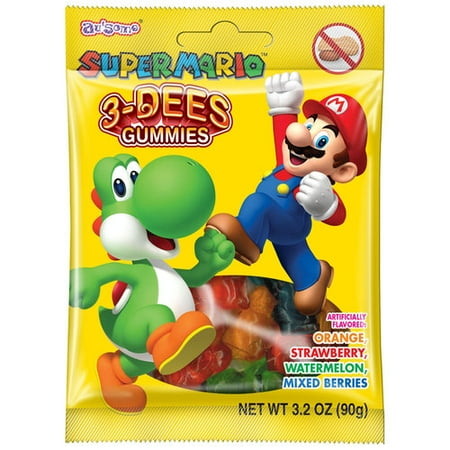
Image result for mario cerealImage result for mario gummies

Image result for scooby doo cookies
What you've just seen are several food items that have the faces of well-known cartoon characters. Having known these characters when I was younger, I'm sure that I would've DRAGGED my mother to the cereal and cookie aisle to pick out these foods specifically. I even remember begging her to buy the Scooby Snacks for me because, "It's what Scooby eats!!" And being the good mother she was, she bought me those Scooby Snacks even though they were $1.50 more than the unbranded graham crackers.

This raises an interesting question: Just how ethical is it for companies to market certain products as 'kid-friendly?' Is it ethical to raise the prices of these goods because of the character on the box, knowing that children will pester their parents to buy these branded goods? It's certainly a no-brainer from a business perspective, but what about parents that can't afford to purchase name-brand items for their children? Is it fair to take advantage of the control that children have on their parents' purchasing habits?

In my opinion, I don't really think it's that ethical. First of all, you're taking advantage of the peer pressure-driven minds of children. They're in their formative years, and if they're seen without those Scooby Snacks in their lunchbox, they could be ostracized. With that in mind, parents often give in and purchase these items despite not really being able to afford them. The companies create the hype around the product and the premium price, the children give the pressure to other children to fit in, and the parents buy the product that may bankrupt them. In all honesty, it's not really a nice cycle in the slightest.

But what do you think? Is this excusable because these are their characters? Should parents have a say when it comes to what characters can appear on (i.e, should cartoon characters be banned from appearing on food)? Let me know in the comments below!

Monday, January 28, 2019

Cause Related Marketing: Charitable or Unethical?


Welcome to week 2 of Consumer Behavior! This week's chapters focused on american values, demographics and social status, but we're going to be looking a bit deeper into american values and how they relate to advertising.

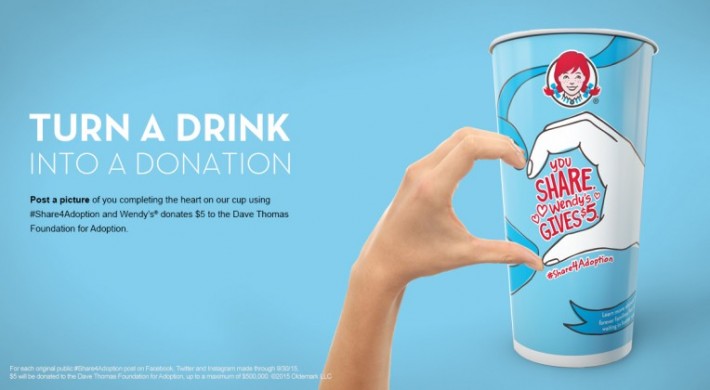
What exactly is cause-related marketing (CRM)? Put simply, it's when a company has a marketing campaign that ties into a relevant issue or a cause. This is usually with a goal of improving sales and image while also providing benefits to the cause. Take the following picture as an example:

Image result for cause related marketing

This cause-related marketing campaign tied Wendy's drinks to the Dave Thomas Foundation for Adoption. If you buy a Wendy's drink, complete the heart, and post it online with a hashtag, Wendy's would donate $5 to the charity. Here's another example:

Image result for cause related marketing tom's
The shoe company TOMS had a campaign in which, when you buy a pair of their shoes, they would donate one pair to a needy individual in another country. A pretty good campaign, right?

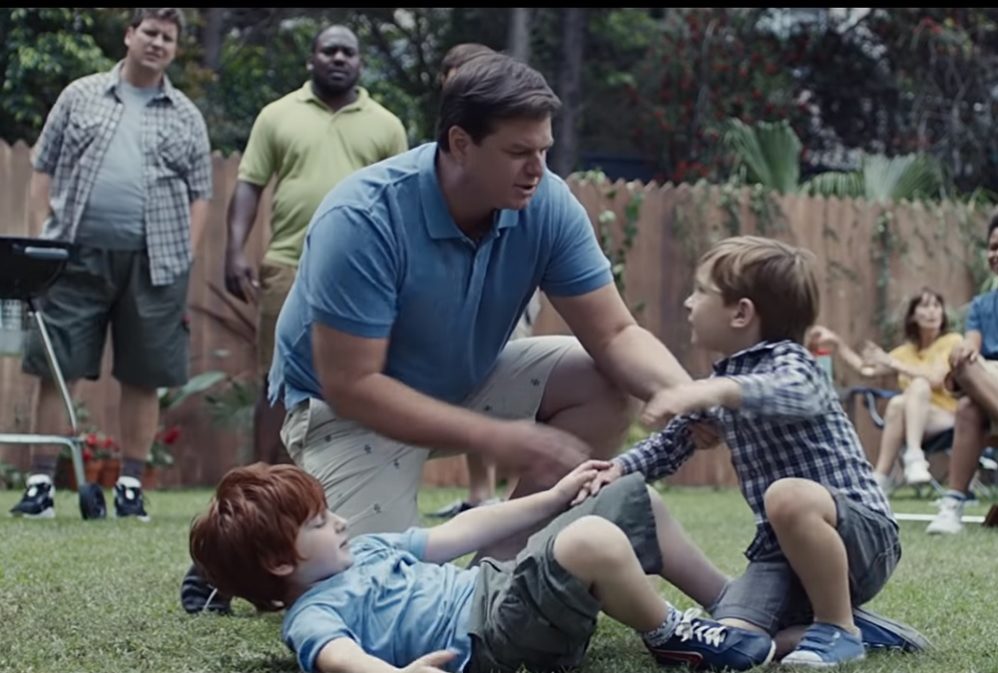
Simply put, this type of marketing is meant to make the user feel good about themselves while they purchase an item in their usual routine. This good feeling is then associated with the company, and they are usually viewed as charitable or giving back to their community. However, some critics consider this type of marketing to be unethical. They view it as a company trying to make money off of a charity or take advantage of a movement to get more revenue. And to be honest, I mostly agree with these people. CRM, at least in the modern age, has proven to be a way for many companies to become superficially involved with issues that they have no meaning in communicating about. Take for example Gillette's recent advertisement on toxic masculinity:

Image result for gillette toxic masculinity  Image result for gillette toxic masculinity

I had the burning question that many individuals had to this advertisement: Why is a shaving company for men feel like they need to contribute to the #MeToo Movement? This advertisement, in my opinion, felt extremely forced and way too much like they were produced for the sole reason of generating interest for the company. I had the same reaction as many skeptics to CRM. I saw this example as the company having this campaign merely to backpack on the idea and take advantage of the viewership generated by the movement itself.

While it seems like I may have a lot of negative things to say about CRM, I do see the benefit in having it. Even if the motivation for the companies involved is purely monetarily-based, CRM does have the ability to generate revenue for a charity, as seen by the Wendy's and TOMS campaigns. It can bolster campaigns and even politically-charged movements, spreading awareness and garnering support. Despite this, I just can't see myself seeing it as anything but selfish for the companies practicing it.

With the many resources available to these large companies, their help in generating donations and information about charities can sometimes be immense. Some would argue that perhaps that is worth looking past the unethical tinge that CRM leaves on many individuals' tongues. As for myself, I think I'll stick to campaigns started by the core charities themselves. 


Tuesday, January 22, 2019

Understanding Low Involvement and High Involvement


Hello everyone! Welcome to my first post for How Do We Buy, a blog dedicated to examining how we as consumers act in the purchasing world. In this post, we'll be discussing chapter 1, particularly the consumer decision process. 


It's a no-brainer that we as consumers have a decision process when it comes to buying goods. Whether someone is buying a Burger King Whopper or a designer Gucci purse, they will go through some sort of decision process. One might ask, Can I afford this item? How does it compare to other choices that I have? Where should I purchase this item? However, the amount of questions someone might ask themselves seems to differ depending on price of the product. For example, you might not have as many questions when you're buying a burger as compared to when you're buying a new car.

What all of this boils down to is the Decision Process of a consumer. We as consumers go through a different amount of steps depending on how high of an involvement we have with the item we are purchasing. Take a look at the following photo from Visual.ly:

Image result for consumer decision making process

As you can see, there are about 5 steps in this process, but that doesn't necessarily mean that we go through every step for every single purchase that we make. I'll use myself as an example to show you:

Today, I had to decide what I wanted to eat. When I got back to my apartment from class, my stomach was rumbling and I felt hungry. This is when I recognized that I had a need (step 1). From there, I went into my kitchen, looking around at what I had in the fridge and freezer, gathering information (step 2). I realized that I had ramen noodles, macaroni and cheese and a frozen pizza. I weighed the various ups and downs of each decision (what I craved, nutritional value, how hungry I was), effectively evaluating my alternatives (step 3). Although I may not have purchased my food (as I had already bought it), I did make a decision (step 4). After I heated up my pizza to sizzling perfection, I scarfed it down while I watched a funny podcast. I then thought about my decision. Was I full? Was I satisfied with that pizza? Would I buy it again? In doing this, I had a post-purchase evaluation (step 5). 

But wait. Didn't I just use all of these steps for something simple like lunch? Well, yes, I did. And didn't I say before that we don't always use all the steps when making simple decisions? Yes, I did say that. However, before you call me a liar, take my next example into consideration:

During my junior year of high school, I recognized that I needed to start thinking about where I would go for college. Obviously, this would be a huge undertaking. In all honestly, throughout my entire junior year and half of my senior year, I went through the processes of information search and evaluating my alternatives. It was only in my senior year that I finally had a well-informed decision for where I wanted to go, SUNY Geneseo. From there, I started my evaluation of my decision. Throughout my first semester at Geneseo, I realized that there were quite a few things that I did not like about the college. It wasn't near any major cities, the walk to class was long and had many hills, the food was bland and I really didn't have many choices when it came to what major I wanted to choose. From this evaluation, I realized that I was not happy with the decision that I had made, and this analysis prompted me to transfer to RIT. 

Both of these examples involved the decision-making process for myself as a consumer. However, like you may have noticed, one was quite a bit more involved than the other. Did I research every single brand of frozen pizza before I decided that I would eat the frozen pizza I did? No, I didn't. But I did research all colleges in my area before I narrowed it down to where I would go, spending quite a bit more time on the subject. I spent many months reviewing comments, prices and even scholarships. In essence, that's what it boils down to; how much time a consumer spends on a decision for a product (how long they spend on a step of the consumer decision process or if they use every step), which is called their level of involvement. As one might discern, my choice for lunch had a low level of involvement while my search for a college had a much higher level of involvement.

But why does this matter?

Because having this information in mind for low involvement purchases and high involvement purchases can completely change how you might market to individuals. To appeal to a student looking for a college, you're going to be listing many statistics on price, scholarships available, state of facilities, etc. but you wouldn't do the same for a frozen pizza. You may have various coupons available and nutrition facts on your site, but nothing on the level of information conveyed on a university website.

Having an idea of your consumer's level of involvement can really impact what advertisements you create and what information may be available on your company's website. That is why it's so important to take into consideration.